



- 1 Day
- Adventure
- Hiking
- St. Moritz
- Swiss Alps
- Winter
Winter
Private
Tours
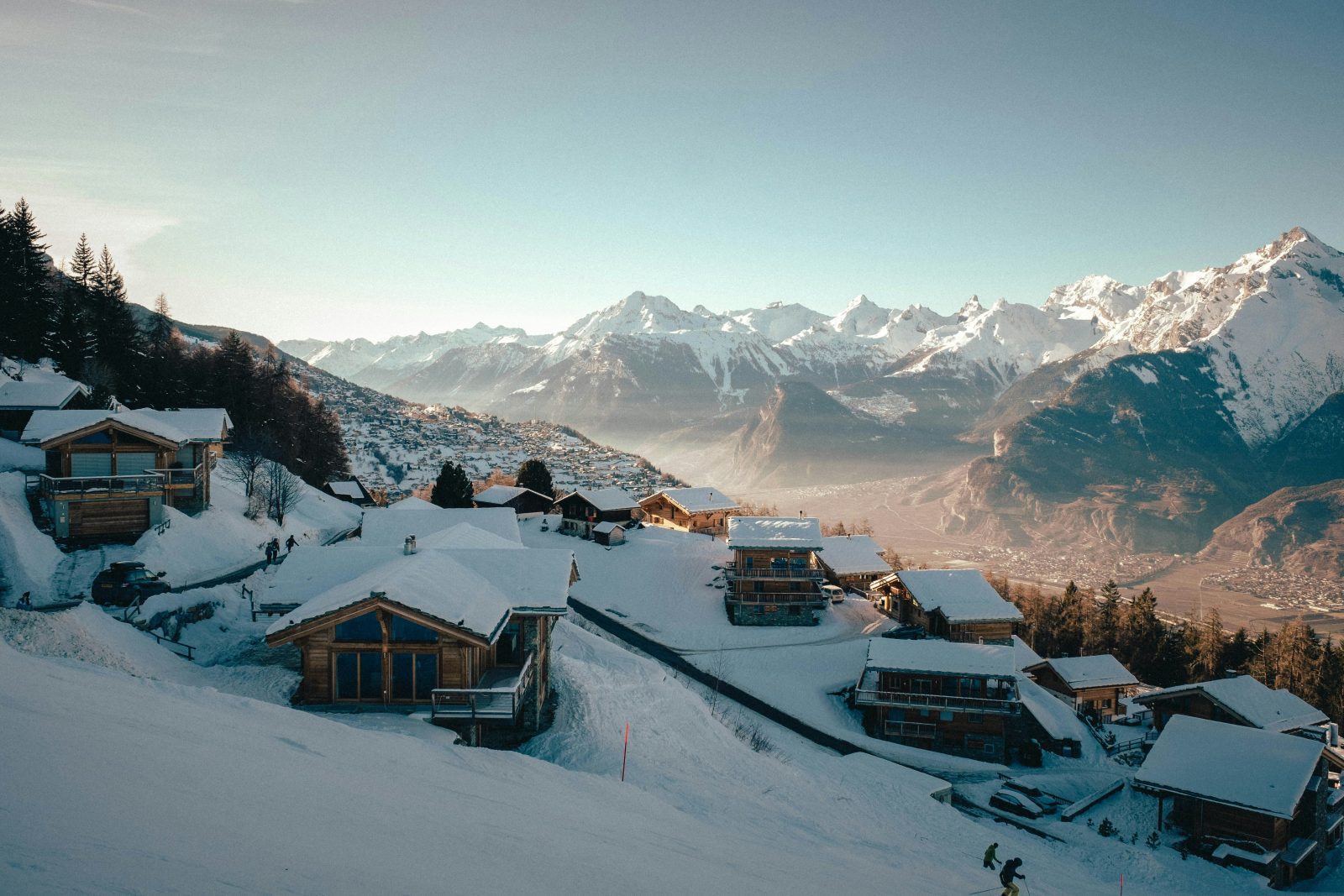
Experience winter tours in Switzerland, where snow-covered landscapes, quiet alpine villages, and crisp mountain air create a completely different rhythm of travel. From panoramic train journeys to fireside evenings and high-altitude viewpoints, this is a season that feels both calm and deeply memorable.







Winter travel here isn’t just about skiing, it’s about how the country feels at this time of year. Our winter tours in Switzerland are fully private and guided, designed to combine iconic scenery with moments that feel unhurried and personal.
Each itinerary is shaped around you. That might mean travelling through the Alps by train, exploring mountain villages, or simply enjoying the pace of winter days, where everything feels just a little more considered.



We have over 500 five star reviews across Viator, Tripadvisor and Google.
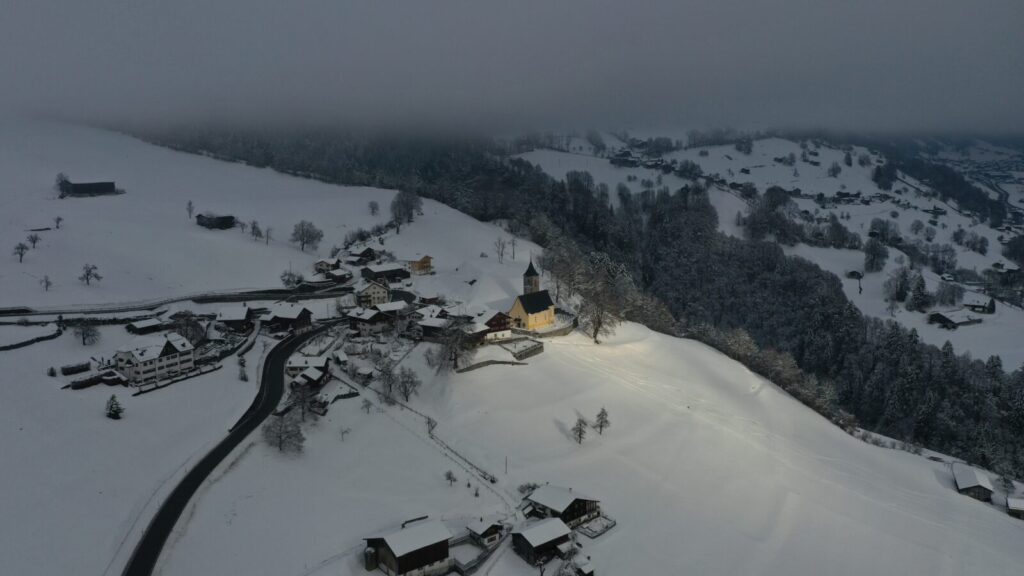
There’s a subtle shift that happens when winter arrives in Switzerland. The landscapes soften under snow, the air feels sharper, and even well-known places take on a quieter, more atmospheric character.
It’s not about fitting more in, it’s about experiencing each place properly. Moving between regions becomes part of the journey, and the variety of landscapes means no two days feel the same.
Some of the most memorable moments happen on Switzerland’s panoramic trains.

Winter brings a quieter, more intimate feel to Switzerland’s mountain villages.
Skiing is only one part of winter in Switzerland.
Winter tends to shape the pace of travel naturally.

Routes like the Glacier Express or Bernina Express continue through winter, passing frozen rivers, alpine forests, and remote mountain villages.
There’s something effortless about it. You sit back, watch the landscape change, and let the journey unfold without needing to think about anything else.
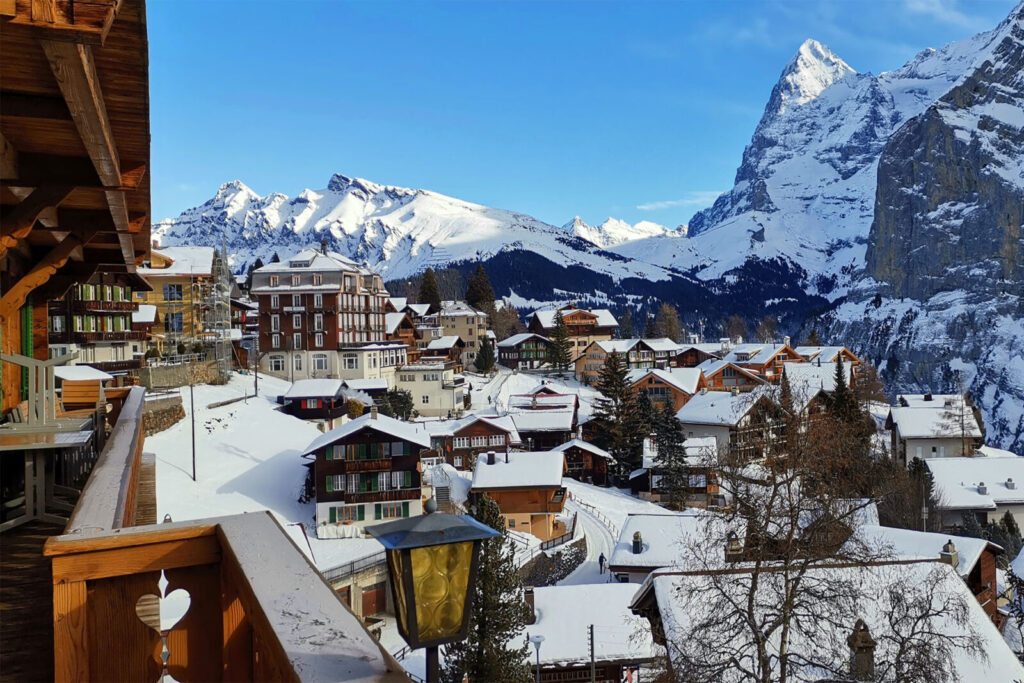
Places like Zermatt or Wengen slow down slightly, with snow-lined streets, warm interiors, and a rhythm that invites you to take your time.
Days here tend to unfold naturally. You might take a cogwheel train up to a panoramic viewpoint in the morning, return for a long lunch overlooking the valley, then spend the afternoon wandering through the village or stopping in a small café that feels more local than designed. It’s less about structure, more about atmosphere, where simple moments feel genuinely memorable.
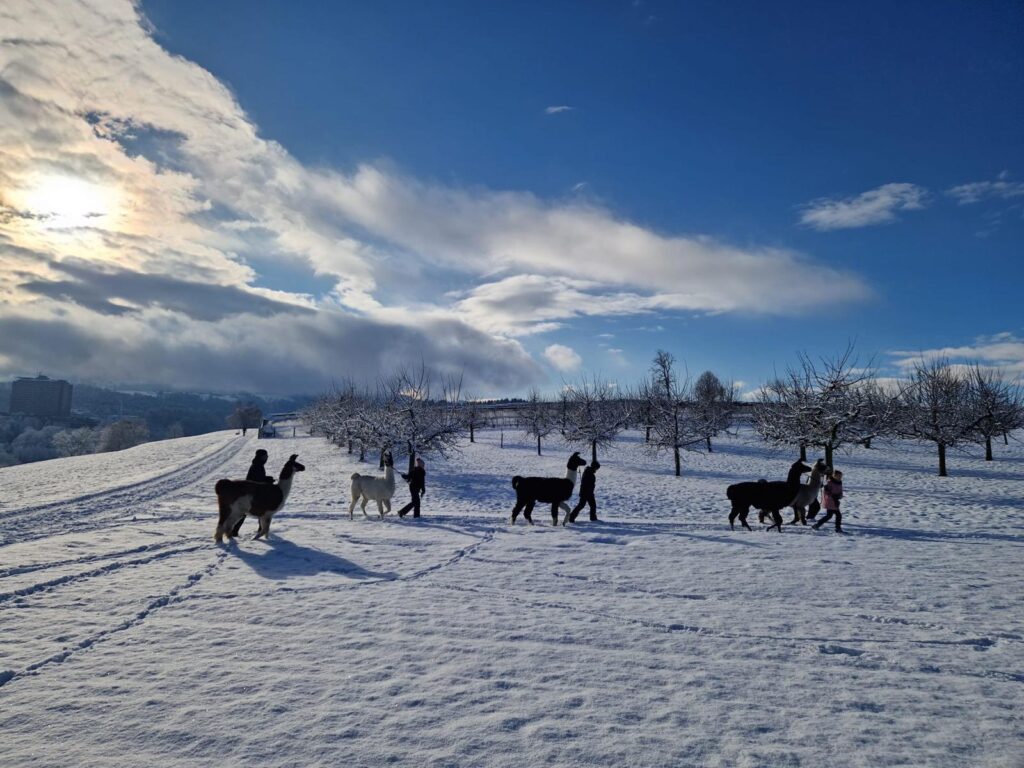
Snowshoeing, winter walking trails, scenic viewpoints, and even lake cruises offer different ways to experience the landscape.
For many travellers, the variety is what stands out. You might spend one day in the mountains and the next by the water or in a historic town, without ever feeling like you’re rushing between them.
Days feel more structured around a few key experiences, with time in between to slow down, warm up, and enjoy where you are.
That flexibility makes a difference. Some days are more active, others more relaxed, and the itinerary adjusts around that rather than the other way around.
Winter in Switzerland typically runs from December through March, with each part of the season offering something slightly different.
December has a festive feel, with Christmas markets and early snowfall. January and February bring the most consistent snow conditions, especially in higher regions. March often feels a little more relaxed, with longer days and slightly milder temperatures.
We’d love to learn more about your perfect trip.
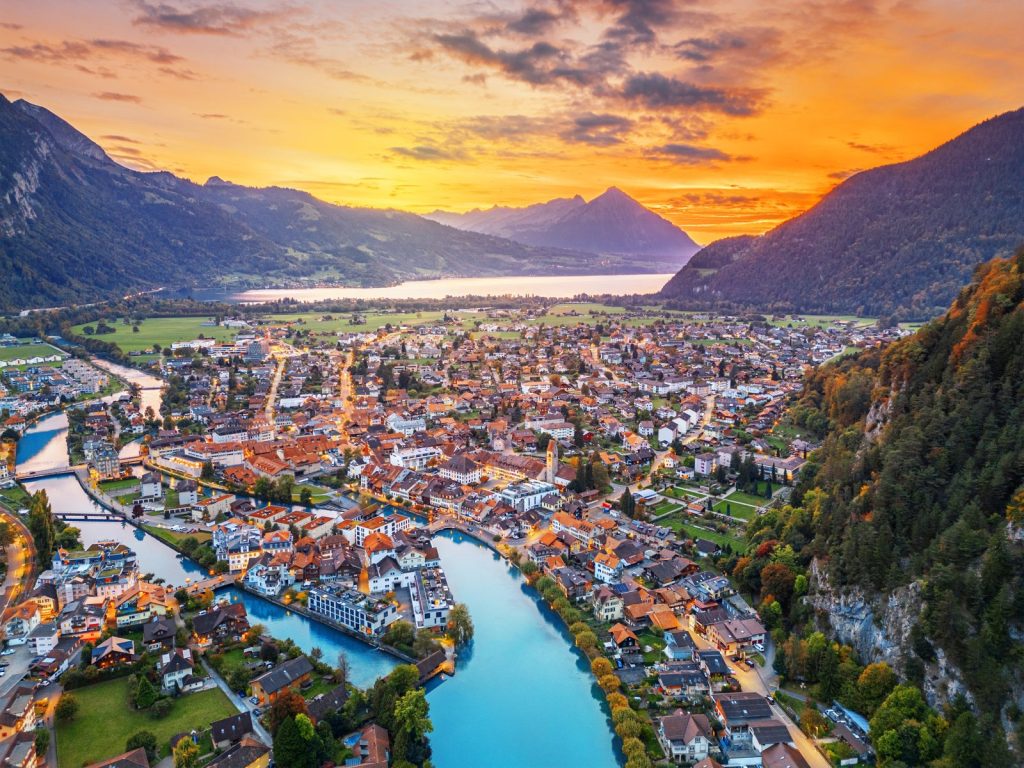
Zermatt, St. Moritz, and the Jungfrau region are among the most popular winter destinations, each offering a distinct experience. Zermatt is known for its high-altitude setting and Matterhorn views, St. Moritz for its polished atmosphere and reliable conditions, while the Jungfrau region combines dramatic scenery with easy access to viewpoints and villages like Wengen and Mürren.
The best choice depends on how you want your trip to feel. Some locations are more focused on skiing and alpine activity, while others lend themselves to slower travel, scenic rail journeys, and village-based stays.
Yes, Switzerland is very well suited to non-skiers. Scenic trains, mountain railways, cable cars, and well-maintained winter walking paths make it easy to experience the landscape without skiing.
Many travellers choose a mix of activities, such as visiting high-altitude viewpoints, taking panoramic train journeys, exploring lakeside towns, or enjoying winter-specific experiences like snowshoeing or sledging. This variety allows each day to feel different without being physically demanding.
Winter temperatures in Switzerland typically range from around -2°C to 7°C in lower areas such as cities and lakeside regions, while alpine areas can drop well below freezing, especially in the early morning and evening.
What makes a difference is the altitude and conditions. Sunny days in the mountains can feel surprisingly comfortable, while shaded areas and wind exposure can feel much colder. Layered clothing, including a warm base layer, insulation, and a waterproof outer layer, helps you adjust throughout the day.
Christmas markets in Switzerland typically run from late November through to just before Christmas. Cities like Zurich, Lucerne, Montreux, and Basel host some of the most well-known markets.
Each has its own character, from lakeside settings in Montreux to larger, more traditional markets in Basel. Visiting during early to mid-December often offers the best balance of atmosphere and accessibility, before peak holiday crowds arrive.
The Glacier Express, Bernina Express, and GoldenPass Line are among the most well-known scenic routes, each offering a different perspective on the winter landscape.
In winter, these journeys feel particularly immersive. Snow-covered scenery, frozen lakes, and quiet villages create a more atmospheric experience, and the slower pace allows you to take in the landscape without distraction.

Sign up for our newsletter to be the first to know when we launch. Receive exclusive insights, hidden gems, and bespoke stories crafted just for you.
Lorem ipsum dolor sit amet. Ut voluptatem voluptas aut laboriosam repellendus ex numquam suscipit non reiciendis nisi cum voluptatem amet sed harum voluptas.

